
Sans Serif Typeface Font and Its Impact on Modern Design
Sans serif typeface font. Why do most websites, mobile apps, and global brands feel clean, modern, and easy to read? The answer is often something people rarely notice at first glance: the sans serif typeface font.
From digital interfaces to corporate branding, sans serif fonts quietly influence how information is perceived, trusted, and consumed. In this article, you will discover why sans serif typography dominates modern design, how it shapes user experience, and why it plays a critical role in digital communication today.
If you care about content performance, design clarity, or brand credibility, understanding this topic is essential.
Understanding the Sans Serif Typeface Font
What Defines Sans Serif Typography
A sans serif typeface font is a font style that does not include decorative strokes or extensions at the ends of letters. The word “sans” originates from French and means “without.”
In practical terms:
- Serif fonts include small strokes or feet
- Sans serif fonts feature clean and simple letterforms
This minimal structure is what gives sans serif fonts their modern and versatile appeal.
Visual Characteristics That Stand Out
Sans serif typeface fonts typically feature:
- Straightforward letter shapes
- Consistent stroke thickness
- Minimal ornamentation
- High clarity at small sizes
These characteristics make them especially effective for digital environments where readability matters most.
Read More : 30+ Best Fonts for CD Covers That Elevate Music Identity
Why Sans Serif Typeface Font Feels Modern
The Psychology of Clean Typography
Typography has a direct psychological effect on readers. Sans serif fonts are often associated with:
- Simplicity
- Transparency
- Efficiency
- Forward thinking
When text is easier to read, the brain processes information faster. This creates a sense of comfort and reliability, which is crucial in digital experiences.
According to usability research from Nielsen Norman Group, users tend to scan online content rather than read it word by word. Clean sans serif typography supports this behavior and improves comprehension.
The Shift Toward Screen-Based Reading
Sans serif typeface fonts gained popularity alongside the rise of screens. Early digital displays struggled with low resolution, causing serif details to blur. Sans serif fonts remained legible and sharp, making them the preferred choice.
Even with today’s high resolution displays, the habit remains because the benefits still apply.
Read More : Best Script Alphabet Fonts to Elevate Your Design Style
Sans Serif Typeface Font and User Experience
Supporting Modern Reading Patterns
Most users follow predictable reading patterns online, such as:
- The F-pattern for content heavy pages
- The Z-pattern for landing pages
Sans serif fonts enhance these patterns by:
- Improving scanability
- Reducing visual fatigue
- Clarifying content hierarchy
This leads to faster understanding and better engagement.
Accessibility and Inclusive Design
Accessibility is a core requirement in modern design. Sans serif typography supports accessibility by:
- Improving legibility for users with dyslexia
- Remaining clear at smaller font sizes
- Adapting well across devices and screen types
Key insight:
A well chosen sans serif typeface font improves usability without compromising aesthetics.
Read More : Top Font for Scripts to Boost Your Creative Projects
Branding and Trust Through Sans Serif Typeface Font
Why Global Brands Choose Sans Serif
Many technology, finance, and SaaS brands rely on sans serif typography because it offers:
- Visual neutrality across cultures
- Scalability across platforms
- A modern and professional appearance
These qualities help brands communicate trust and relevance in competitive markets.
Emotional Signals in Typography
Fonts communicate emotion instantly. Sans serif typefaces often convey:
- Confidence without arrogance
- Professionalism without stiffness
- Innovation without complexity
This balance makes them highly effective for digital branding.
Serif vs Sans Serif Typeface Font Comparison
| Aspect | Sans Serif Typeface Font | Serif Typeface Font |
|---|---|---|
| Visual Style | Clean and minimal | Decorative and classic |
| Screen Readability | Very high | Moderate |
| Digital Branding | Strong fit | Limited |
| Print Books | Moderate | Excellent |
| UI and Apps | Ideal | Rarely used |
Serif fonts still perform well in long printed texts, but digital platforms strongly favor sans serif typography.
Read More : Best Fonts for Tattoo Names with Stunning Style
8 Best Sans Serif Typeface Font for Modern Design and Branding
Choosing the right sans serif typeface font is not only about aesthetics, but also about clarity, usability, and brand perception. The following fonts are carefully designed to support modern digital needs, visual identity, and professional communication across platforms.
1. Bufs Font

Bufs Font is a bold and contemporary sans serif typeface font designed to make a strong visual statement. Its thick strokes and confident letterforms create instant impact, making it highly suitable for headlines, branding, posters, and display-focused projects. The font maintains excellent readability despite its bold presence, which allows designers to communicate authority and confidence while keeping text clear and structured. Bufs is a solid choice when you want your brand message to stand out and capture attention quickly, especially in modern marketing and digital branding environments where visual strength plays a critical role.
2. Hipo Font
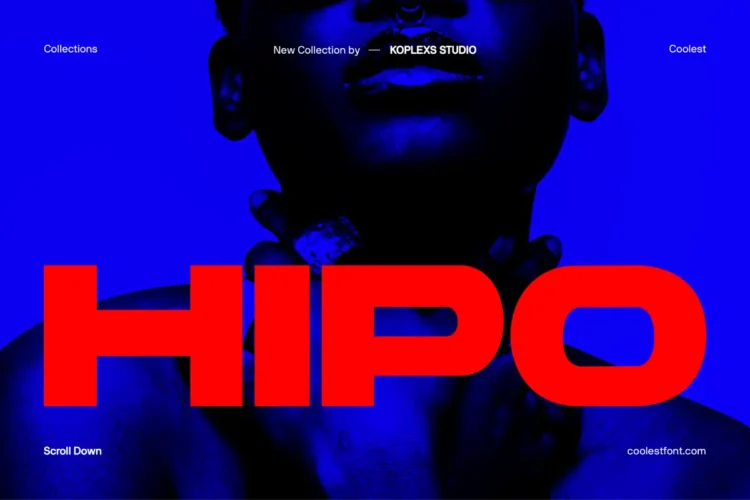
Hipo Font is a clean and geometric sans serif typeface font with a modern and minimalist personality. The balanced proportions and smooth curves make it highly versatile for both digital interfaces and print applications. Its neutral design allows content to remain the focus, which is ideal for websites, mobile apps, and editorial layouts that prioritize readability and user comfort. Hipo works especially well for designers who need a reliable typeface that blends seamlessly into UI systems while still offering a refined and professional appearance.
3. Gencha Font
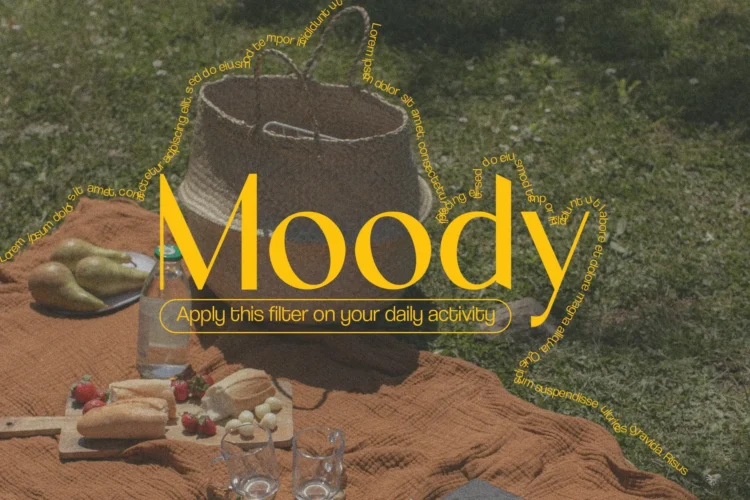
Gencha Font is a modern sans serif typeface font inspired by simplicity and precision. Its structured letterforms and consistent spacing give it a polished and professional feel, making it suitable for corporate branding, presentations, and clean editorial designs. The font delivers clarity across different font sizes, ensuring text remains readable on both large screens and mobile devices. Gencha is an excellent option for brands that value clarity, consistency, and a contemporary visual identity that feels trustworthy and well organized.
4. Saloums Font

Saloums Font is a stylish sans serif typeface font that combines modern aesthetics with a slightly expressive character. Its subtle uniqueness adds personality without sacrificing readability, making it ideal for creative branding, lifestyle products, and digital campaigns. The font performs well in both headlines and short body text, allowing designers to create cohesive visual systems. Saloums fits brands that want to appear modern, approachable, and visually distinctive while maintaining a professional tone.
5. Barytons Font
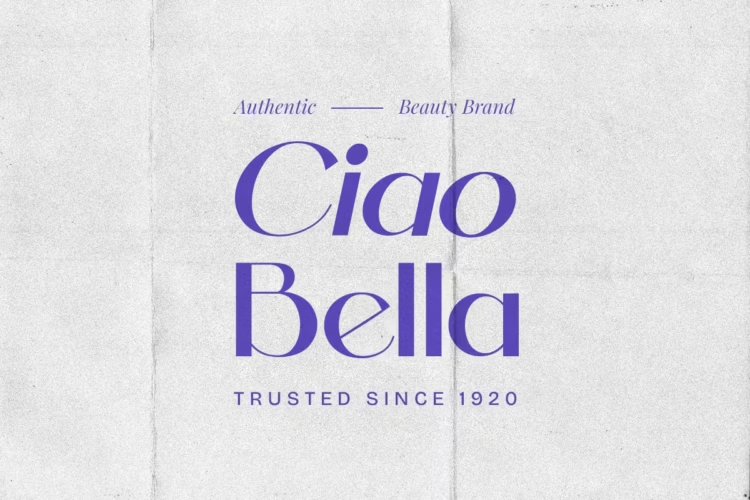
Barytons Font is a strong and structured sans serif typeface font designed for impactful visual communication. With its firm letter construction and confident weight distribution, it excels in branding, logos, and headline usage. The font conveys stability and authority, making it particularly effective for business focused designs, technology brands, and bold marketing materials. Barytons helps reinforce brand confidence while ensuring text remains legible and visually consistent across different media.
6. Bourne Font
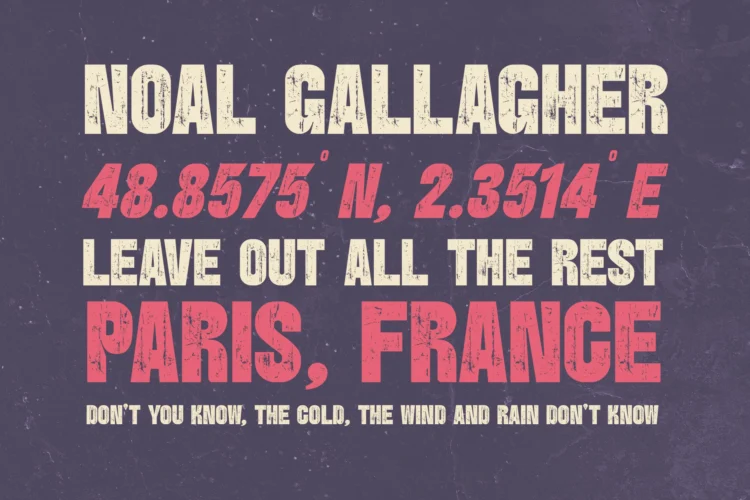
Bourne Font is a refined and versatile sans serif typeface font that emphasizes clarity and balance. Its clean lines and modern proportions make it suitable for long reading experiences, digital platforms, and professional publications. Bourne adapts well to various design contexts, from web typography to corporate documents, offering a polished and reliable typographic solution. Designers looking for a timeless yet modern sans serif font will find Bourne a strong foundation for consistent and scalable design systems.
7. Backfarm Font

Backfarm Font is a modern vintage sans serif typeface font with a distinctive character that blends boldness and simplicity. Its solid construction makes it effective for branding, packaging, and promotional materials that require a confident visual tone. The font’s clear structure supports strong readability, even in high contrast designs, allowing brands to communicate messages with clarity and impact. Backfarm works particularly well for projects that aim to feel modern, authentic, and visually memorable.
8. Hypogea Font
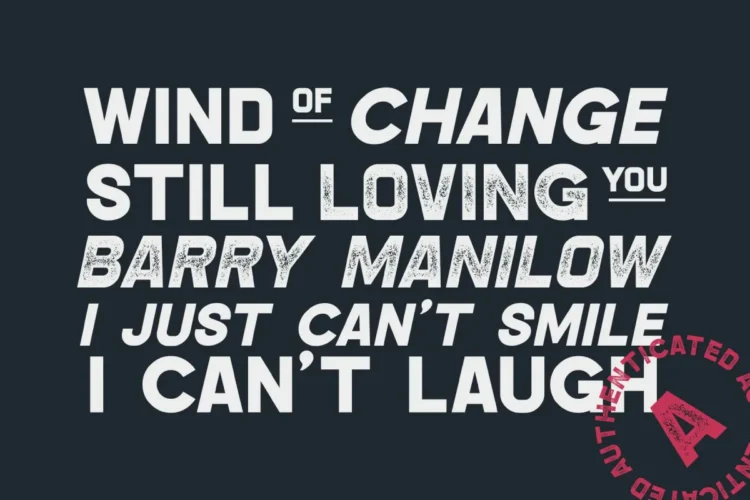
Hypogea Font is a contemporary sans serif typeface font designed with precision and elegance in mind. Its sharp details and balanced geometry create a modern and slightly futuristic feel, making it suitable for technology driven brands, creative studios, and digital products. The font performs consistently across different screen sizes, ensuring usability and visual harmony. Hypogea supports designers who want a modern typographic voice that feels innovative while remaining functional and readable.
Each sans serif typeface font listed above offers a unique balance of readability, modern aesthetics, and functional design. From bold display styles like Bufs and Barytons to versatile and clean options such as Hipo, Gencha, and Bourne, these fonts demonstrate how typography shapes perception and user experience. Selecting the right sans serif typeface font depends on your brand goals, audience, and platform, but all of these options provide strong foundations for modern design, digital branding, and professional communication.
Read More : Sans Serif Popular Fonts for Modern Branding
Practical Experience From Real Projects
Based on hands on experience with content driven websites, switching to a refined sans serif typeface font often results in:
- Better mobile engagement
- Lower bounce rates
- Stronger perceived authority
In one redesign project, updating typography alone improved average session duration by more than 15 percent without altering the content itself.
Typography is not decoration. It is a performance tool.
Where Sans Serif Typeface Font Works Best
Ideal Use Cases
Sans serif fonts perform exceptionally well in:
- Websites and blogs
- Mobile and web applications
- SaaS platforms
- Corporate presentations
- Social media graphics
When to Use With Caution
Sans serif may be less suitable for:
- Long printed novels
- Editorial magazines
- Historical or academic publications
Context should always guide font selection.
Helpful Tools and Resources
To evaluate and improve typography decisions, consider:
- Font testing tools for cross device previews
- UX analytics tools for reading behavior analysis
- Design systems to maintain typography consistency
Always validate typography choices with real user feedback when possible.
Conclusion
The continued dominance of the sans serif typeface font is not accidental. It aligns perfectly with modern reading habits, digital interfaces, and user expectations.
If your goal is clarity, trust, and relevance in today’s digital landscape, sans serif typography is a strategic choice, not just a stylistic one.
FAQ: Sans Serif Typeface Font
What is a sans serif typeface font commonly used for?
It is widely used for digital interfaces, websites, branding, and user interfaces due to its clarity and flexibility.
Is sans serif better than serif typography?
Neither is universally better. Sans serif works best for screens, while serif often excels in long printed content.
Why do modern websites prefer sans serif typeface font?
Because it enhances readability, accessibility, and usability across devices, especially on mobile screens.
Does typography affect SEO results?
Indirectly yes. Better readability leads to stronger engagement signals that support SEO performance.
Can sans serif fonts appear professional?
Yes. Many of the most trusted global brands use sans serif typography to project clarity and confidence.





Leave a Comment